

Community Engagement in Heritage Projects
When historic churches and heritage buildings face restoration, reuse or transformation, the physical challenges are often only part of the story.
More often than not, communicating openly and honestly with the local community is one of the most important parts of ensuring the long-term success of the project. By doing so, it can reduce the risk of planning objections, assist with any public funding initiatives and build goodwill. In fact, good public engagement can generate interesting ideas, make the project more meaningful for those involved and turn something that has the potential to be controversial into something that creates a sense of community pride.
In our last article, we talked about the emotional and social importance of many heritage buildings in the surrounding community. This should not be underestimated and in some cases, where a building is of particular note or significance, this emotional attachment can extend much further than just to local community.
Too often however, engagement is treated as a late-stage formality, once decisions have already been made. Or communications are managed poorly and the deteriorating relationships slow progress and erode trust.
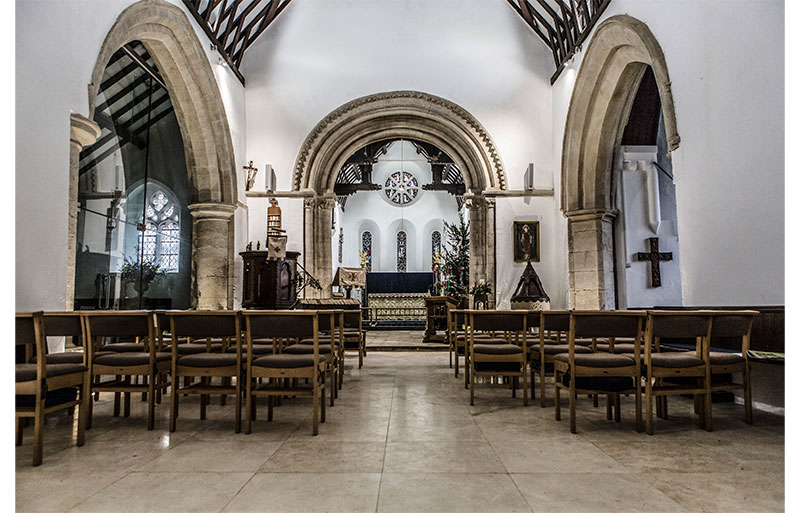
The benefits of community engagement
At its best, community engagement can create a sense of excitement, pride and support (from practical and physical support to financial) in respect of a project. That in turn can help ensure the project runs more smoothly and ultimately becomes a greater success. In particular, good community engagement should:
- Improve the understanding of all concerned of the building’s importance, but also the challenges it faces, as well as its future potential
- Encourage creative thinking which may result in unexpected ideas, partnerships and uses
- Help mediate competing interests like heritage, faith and community needs against commercial and architectural realities
- Align projects with local identity and values
- Reduce planning and consent risk by addressing concerns early
- Turn local people into advocates and champions, rather than critics
In practice, engagement often strengthens outcomes rather than slowing them. It can reveal local knowledge, tap into community energy and create social value opportunities that no design team or funding body could generate alone.
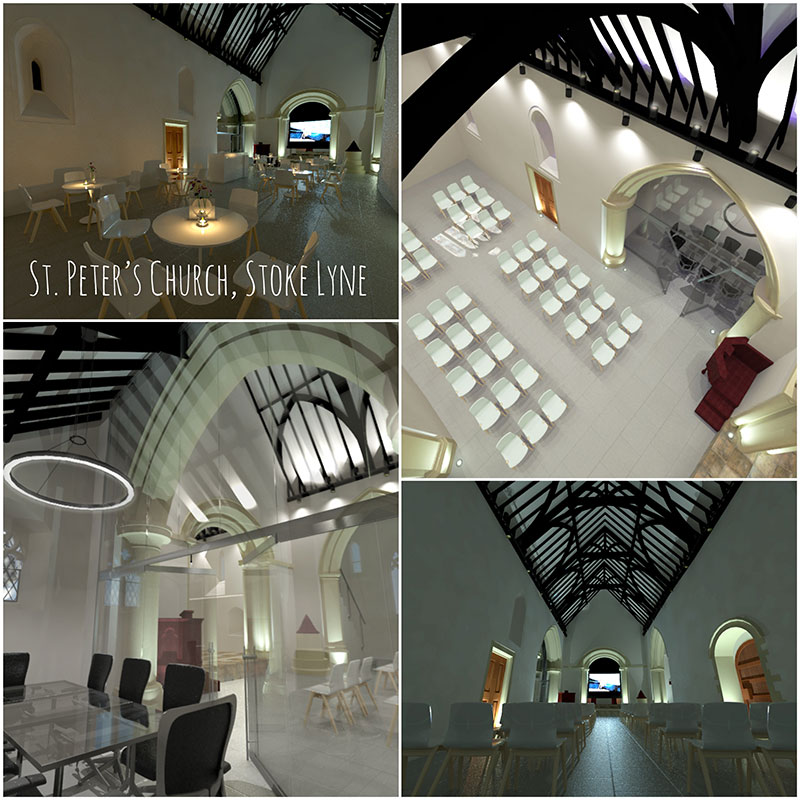
Engagement should be ongoing
It is rarely effective to consult or engage with the community after plans have been drawn up and important decisions made. In an ideal world, engagement needs to start early at the feasibility stage and continue through design, consent, construction and sometimes even beyond. At its most straightforward, think of your community engagement in terms of the following three stages:
Stage one: Vision, principles and feasibility
Start engaging at the very beginning, when you are still exploring the vision and the range of potential ideas, rather than informing the local community once you have a detailed design or plans. At this stage, it is important to listen carefully to community feedback, be that resistance or support. By doing so, they will feel more “heard,” and you will get a better idea of any potential issues ahead.
Resistance and objection often result in creativity as you explore ways that the project could evolve in a manner that satisfies community concerns.
Of course, it is also important to have conversations with the Local Planning Authority and Conservation Officer as early as possible to establish what may or may not be acceptable from a heritage perspective. Local research is vital here too, in order to get a full understanding of the history and use of the building.
At this stage, the most powerful question to ask is not “What do we want to build?” but rather “What matters most about this place, and how should its future honour that?”
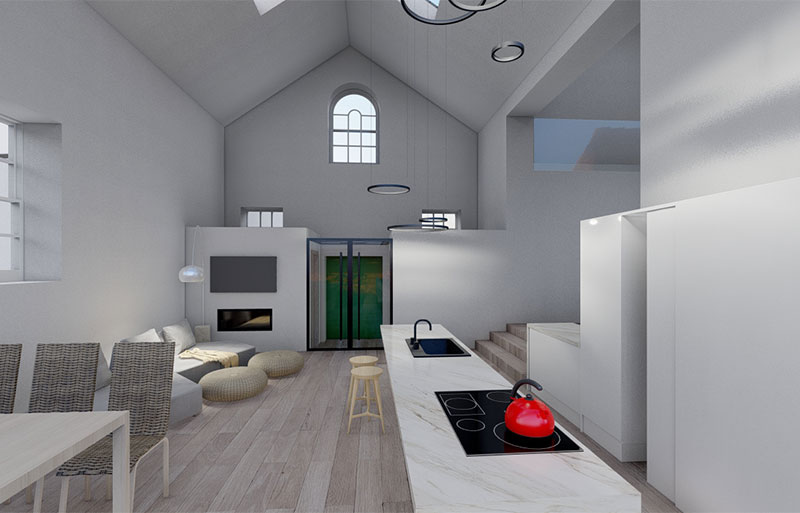
Stage two: Design development
As ideas begin to take shape, engagement should move from consultation to collaboration. Again, rather than unveiling finished proposals, good practice involves inviting feedback while concepts are still forming. People are more likely to support a project if they feel they have been actively involved in shaping it.
At this stage, you are also likely to have a much clearer understanding of what constraints the project will face in terms of funding, planning policy and heritage protection. Transparency and openness about this not only help improve understanding but can actually build trust and support.
At an even more collaborative level, some communities may wish to become actively involved. This might be learning traditional skills, supporting heritage research, co-producing exhibitions or helping design programmes linked to the project. In these cases, engagement moves beyond feedback and starts to look more like shared ownership, pride, and creative input.
Stage three: Construction and delivery
A common mistake is to assume engagement stops once planning permission is granted when in fact, as work starts, this is often a time when community emotions are at their most intense. Particularly if not everyone’s desire for the project has been realised in the way they envisaged.
Good communication and management at this stage are critical. They can help prevent or mitigate any bad feeling and on a more positive note, they can engender a sense of pride. In some communities, heritage projects may actually become a showcase of traditional skills and conservation crafts, inspiring younger people in the community. If ongoing funding is an issue, a community that backs the project becomes an enormous asset. Finally, in some cases, engagement goes a step further and evolves into a partnership with shared leadership, pooled resources and long-term community stewardship of the building.
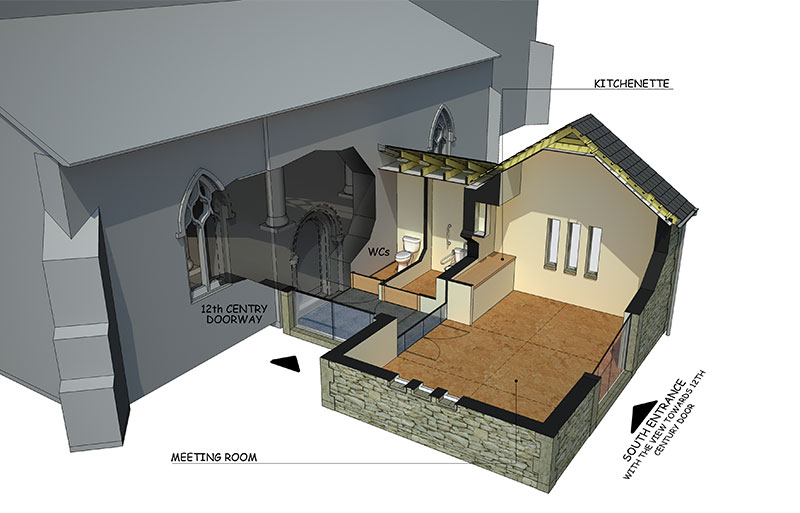
Good Practice
There is no universal template for community engagement. Each programme should be shaped by the project, the place and the people involved, as well as the available resources. Engagement should also be proportionate, matching the scale and impact of the project rather than over- or under-reaching.
Before you start, identify the relevant sections of the community (as well as stakeholders), whether that is local heritage groups, schools, residents’ groups, faith groups, cultural organisations or minority communities. Different audiences may need different methods, and most successful programmes combine several approaches.
At stage one, it is all about outreach and awareness. Your aim is both to inform and inspire, but also to gather information and make it clear that community opinion and knowledge are valued. This can be achieved in a variety of ways depending on the project, but consider public talks, workshops, exhibitions, newsletters, community events and social media. Stalls at the local fair and pop-up events are good for grabbing passing interest. Surveys and questionnaires enable you to get a bit more depth, while model-making may be more helpful for stage two to help people visualise possibilities.
Finally, make sure whatever you do is accessible. Long, intimidating forms, small fonts, and complex language are a no. Ask yourself whether the people you are talking to are really on social media or are they more likely to engage with a meeting at the village hall. Are there any language barriers? Are there any other barriers that might prevent effective engagement?
Community engagement is rarely optional when it comes to heritage projects. But it can be one of your most powerful and effective tools. Done well, it builds trust, improves understanding, strengthens local identity and ensures that historic buildings continue to serve meaningful roles in contemporary life. Ultimately, the most enduring heritage projects are not those imposed upon communities but those shaped with them.
If you’d like to discuss a potential project or know more about our approach to restoration or conversion of heritage buildings, please get in touch.
